Imagine a two‑day trip where you can swap a cramped bedroom for a historic castle, then settle in front of a massive 4K TV for a marathon of your favourite RPGs. By the end of the weekend you’ll have explored a new town, stocked up on local snacks, and logged at least 12 hours of playtime—all without feeling rushed.
Step 1: Choose a Destination with a Strong Gaming Vibe
The first decision is the town itself. Look for places that already host gaming conventions, have retro arcades, or boast boutique board‑game cafés. Here are three solid picks:
- Brighton, East Sussex – A seaside resort with the Arcade Brighton retro hall, plus a thriving indie‑dev meet‑up scene.
- Edinburgh, Scotland – Home to the annual Game City Expo and several whisky‑paired board‑game bars.
- York, North Yorkshire – Features the York Gaming Lounge, a modern space with VR pods and tabletop rentals.
Each city offers a blend of tourist attractions and dedicated gaming spaces, so you won’t have to travel far between sightseeing and your next quest.
Step 2: Book Accommodation That Supports Playtime
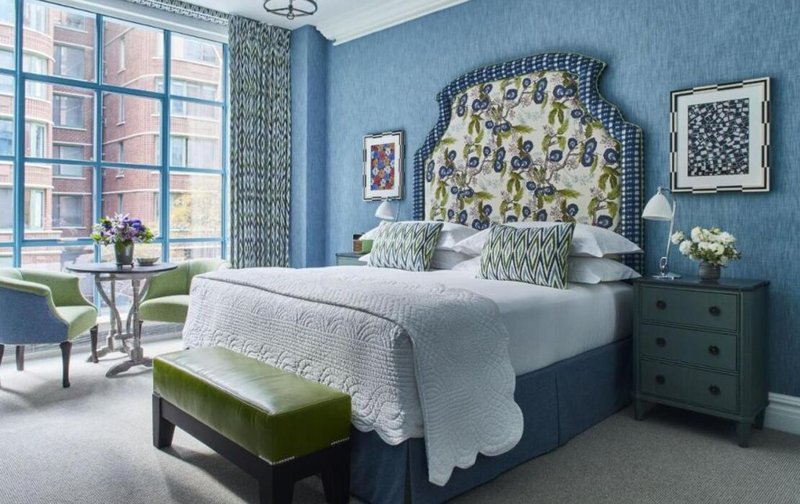
Not all hotels are created equal for gamers. Look for rooms with at least one HDMI port, reliable Wi‑Fi (minimum 25 Mbps download), and a desk big enough for a keyboard. In Brighton, the Seaside Suites advertises a “gamer‑friendly” package that includes a complimentary gaming console and a selection of popular titles. In Edinburgh, the historic Grassmarket Hostel provides a communal lounge with a large flat‑screen TV and board‑game shelves stocked with over 200 games. York’s Stonegate B&B even offers a “VR night” on request, complete with headset sanitisation.
Step 3: Pack the Right Gear
Bring a portable power bank rated at 20,000 mAh – it’s enough to keep a handheld console alive through an entire train ride. A compact Bluetooth headset will let you chat with teammates without disturbing fellow travelers. Don’t forget a USB‑C to HDMI adapter; many modern laptops lack a full‑size HDMI port, and you’ll need it for those hotel TV hookups. Finally, pack a few physical board games that travel well – a deck of Exploding Kittens, a set of Catan cards, or a compact version of Terraforming Mars can fill downtime on the train.
Step 4: Schedule Gaming Sessions Around Local Highlights
Map out one morning for sightseeing, an afternoon for gaming, then an evening for local cuisine. In Brighton, start with a stroll along the pier, then head to the arcade for a 2‑hour retro challenge. Follow that with dinner at a fish‑and‑chips shop that offers a “gamer’s discount” on Tuesdays. Edinburgh’s medieval Old Town is perfect for a morning walk; reserve the early evening for a VR session at the lounge, then unwind with a pint at a pub that serves board‑game‑themed cocktails. In York, fit a visit to the National Railway Museum before a late‑night board‑game marathon in the hotel lounge.
Step 5: Keep the Fun Going After You Return
When you get back home, you’ll likely want to keep the momentum. Set up a weekly “online game night” with the friends you met at the arcade or lounge. A quick way to stay connected is through platforms that blend social chat with casino‑style mini‑games – for example, many players enjoy the casual slots and table games on https://q-bet.uk.net as a low‑stakes way to unwind after a long session of strategy gaming.
Common Mistake: Overpacking Your Schedule
It’s tempting to cram every attraction into a two‑day window, but doing so leaves you exhausted and reduces the time you can actually play. Instead, pick three must‑see spots and two dedicated gaming blocks. That balance ensures you return home refreshed, with a full battery on both your phone and your enthusiasm for the next adventure.
Wrap‑Up: Your Next Gaming Getaway Awaits
With a clear destination, gamer‑friendly lodging, the right gear, and a balanced itinerary, a weekend trip becomes more than a break – it turns into a quest you’ll remember for months. Pick one of the cities above, book that “gamer‑friendly” room, and set your out‑of‑office reply. Your next high‑score is just a train ride away.
Frequently Asked Questions
What types of gaming activities are available?
You can play console and PC RPGs, visit retro arcades, and attend local gaming conventions.
Do I need to bring my own equipment?
Most venues provide consoles and controllers, but bringing a personal laptop or handheld can add flexibility.